The Rise of Digital Notarization: Trends in North Carolina


The Emergence of Digital Notarization
In recent years, digital notarization has become a transformative trend in North Carolina, reshaping how documents are authenticated and verified. With advancements in technology, the traditional process of notarizing documents in person is gradually making way for a more streamlined, efficient digital alternative.
Digital notarization offers numerous benefits, including enhanced security and convenience. This shift is particularly significant in North Carolina, where the demand for remote services has increased. As a result, businesses and individuals alike are embracing this modern approach to notarization.

Understanding Digital Notarization
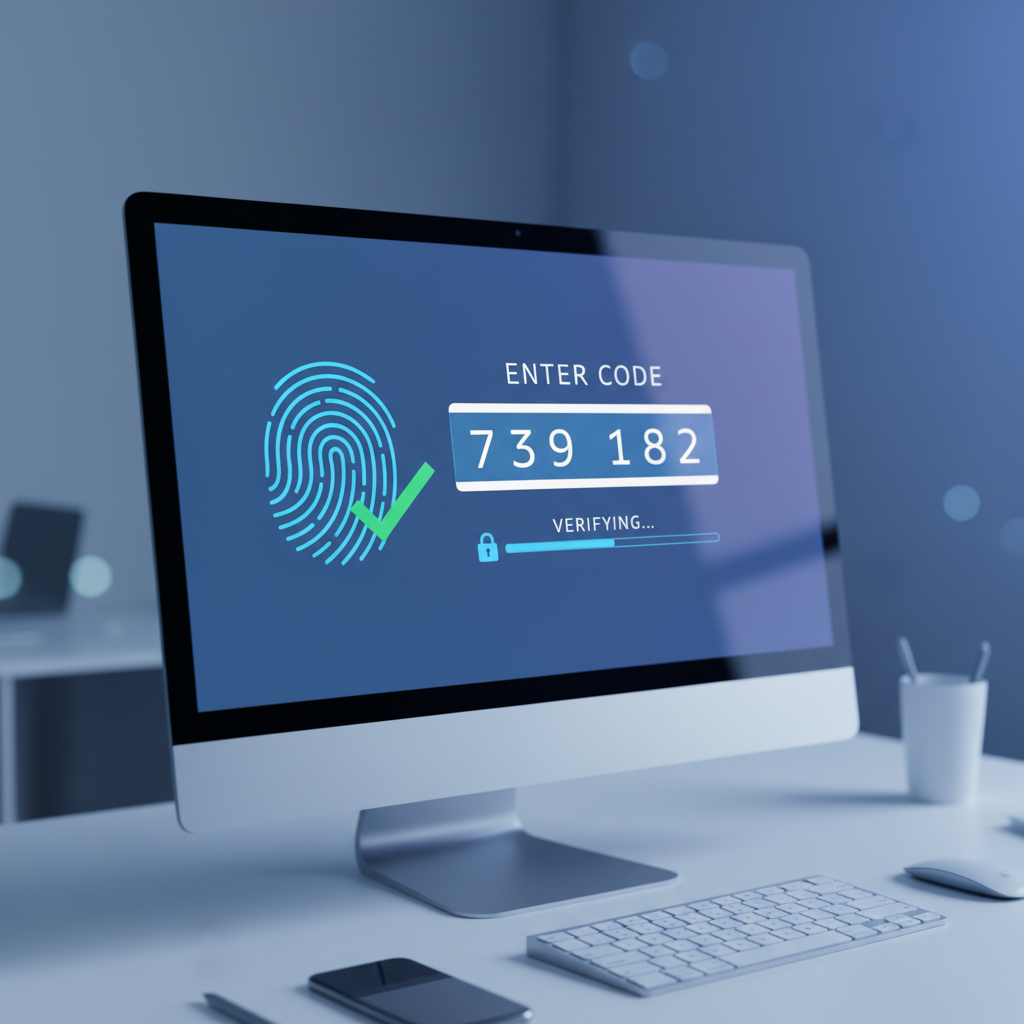
Digital notarization utilizes electronic signatures and secure online platforms to perform notarizations remotely. This process ensures that documents are notarized without the need for physical presence, making it an ideal solution for those with busy schedules or geographic limitations.
In North Carolina, legislation has been enacted to support the adoption of digital notarization. The Electronic Notary Act provides a legal framework, ensuring that electronic notarizations have the same validity as their traditional counterparts.

Key Trends in North Carolina
Several trends are driving the rise of digital notarization in North Carolina. One major trend is the increasing reliance on technology across various industries. As businesses and individuals become more tech-savvy, the demand for digital solutions, including notarization, grows.
Another trend is the push for regulatory support. North Carolina has been proactive in updating its legal framework to accommodate digital notarization, ensuring that the process is both secure and accessible to all residents.

Benefits of Digital Notarization
The benefits of digital notarization are manifold. For one, it enhances security by using encryption and authentication technologies to protect sensitive information. Additionally, it offers unparalleled convenience, allowing individuals to notarize documents from the comfort of their homes.
Moreover, digital notarization can significantly reduce the time and cost associated with the traditional notarization process, making it an attractive option for businesses looking to streamline their operations.
Challenges and Considerations
Despite its advantages, digital notarization is not without its challenges. Ensuring the security and integrity of the notarization process is paramount, requiring robust technology and stringent verification protocols. Additionally, there is a need for widespread education to ensure that users understand how to utilize digital notarization effectively.
Moreover, while North Carolina has made strides in supporting digital notarization, continuous efforts are needed to keep up with technological advancements and emerging security threats.
The Future of Digital Notarization
As digital notarization continues to evolve, its future in North Carolina looks promising. With ongoing technological advancements and supportive legislation, it is likely that digital notarization will become the norm rather than the exception.
In conclusion, the rise of digital notarization in North Carolina represents a significant shift towards more efficient, secure, and accessible notarization processes. As more individuals and businesses embrace this technology, the benefits will continue to unfold, paving the way for a more connected and convenient future.